
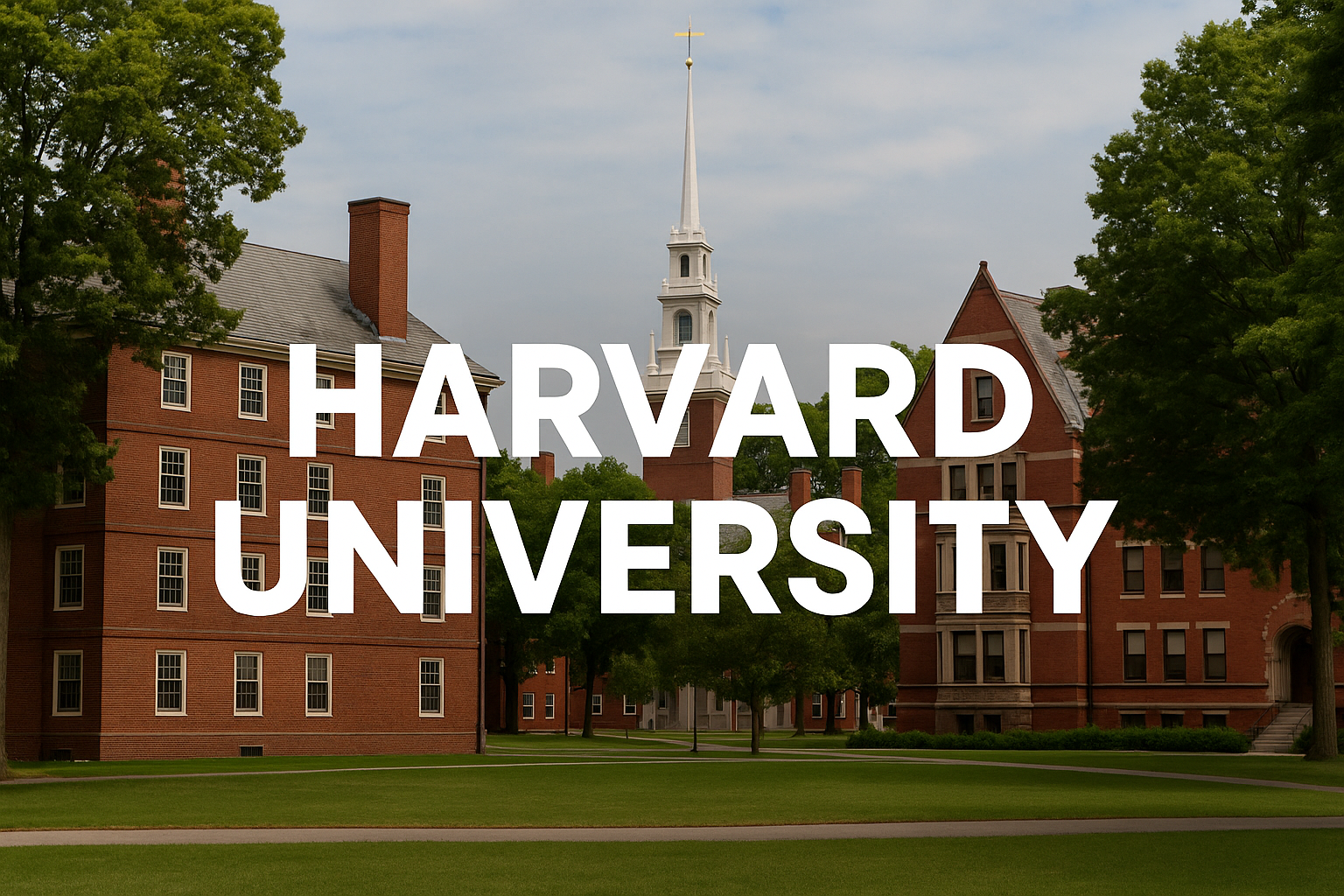
Harvard University stands as one of the most iconic symbols of academic excellence in the world. Founded in 1636, it is the oldest institution of higher education in the United States. For nearly four centuries, Harvard has represented the pursuit of knowledge, the power of innovation, and the responsibility of leadership. Its legacy goes beyond the ivy-covered walls of Cambridge, Massachusetts—it extends across continents through the work of its alumni, researchers, and global initiatives.
1. A Tradition of Academic Brilliance
From its earliest days, Harvard University was built upon the ideal that education transforms both individuals and societies. What began as a small college intended to train clergy soon became a global center of intellectual growth. Today, Harvard’s 13 schools—including Harvard College, Harvard Law School, Harvard Business School, and the Harvard T.H. Chan School of Public Health—offer world-class programs in almost every discipline imaginable.
Each school maintains an independent yet interconnected spirit. This structure allows students to cross traditional academic boundaries—combining, for example, computer science with art history or economics with medicine. That interdisciplinary freedom is one reason Harvard consistently ranks at the top of global university lists.
2. A Hub for Research and Discovery
Harvard’s commitment to research has shaped many of the greatest breakthroughs of modern times. The university invests billions annually into research initiatives, often partnering with organizations such as MIT, Stanford, and the National Institutes of Health. From early studies on genetics to cutting-edge artificial intelligence projects, Harvard continues to push the limits of what humanity can achieve.
One of its most famous research centers, the Harvard Innovation Labs (i-lab), serves as a launchpad for student entrepreneurs. The i-lab connects bright ideas with investors, mentors, and real-world resources, helping students turn concepts into companies. Many successful startups—including social impact ventures and technology firms—trace their roots back to these labs.
3. Harvard’s Global Impact
The influence of Harvard University reaches far beyond the United States. Its alumni network includes more than 400,000 graduates living in over 200 countries. Among them are U.S. presidents, Nobel laureates, scientists, authors, and entrepreneurs who continue to shape the modern world. Notable alumni include John F. Kennedy, Barack Obama, Bill Gates, Mark Zuckerberg, and Natalie Portman, among countless others.
Yet, Harvard’s global reach is not only about fame. It’s about ideas that travel—policies that improve governance, research that fights global diseases, and innovations that address climate change. Through partnerships with institutions across Asia, Africa, and Latin America, Harvard actively contributes to solving the world’s most urgent challenges.
4. The Student Experience: Beyond the Classroom
Walking through Harvard Yard, the atmosphere buzzes with energy. Students from every corner of the globe share ideas, collaborate on projects, and participate in over 450 student organizations. The university encourages a holistic approach to education—where learning doesn’t stop at the classroom door.
Sports, arts, volunteering, and debate clubs are central to campus life. The Harvard Crimson, one of the oldest college newspapers in the world, offers journalism opportunities to aspiring writers. Meanwhile, the Harvard Art Museums and Sanders Theatre expose students to culture and creativity. Each experience helps cultivate well-rounded leaders ready to make a difference in their communities.
5. Diversity and Inclusion
Over the past decades, Harvard has evolved into one of the most diverse campuses in America. Students of all backgrounds, nationalities, and beliefs are welcomed and supported through financial aid, mentorship, and inclusion programs. Nearly 55% of Harvard undergraduates receive some form of financial assistance, and the university’s need-blind admission policy ensures that every accepted student can afford to attend, regardless of family income.
This commitment to accessibility has reshaped the image of Ivy League education—from elite privilege to global opportunity. Harvard’s leadership continues to invest in scholarships, outreach programs, and partnerships with underrepresented communities around the world.
6. Innovation and Technology for the Future
Harvard has embraced technology as a core part of its mission. The Harvard-MIT Division of Health Sciences and Technology develops revolutionary medical devices and treatments. The university’s data science programs collaborate with industries to address problems in health care, business, and sustainability. Its growing online learning platform, HarvardX, provides free and low-cost courses to millions of students globally, making high-quality education more accessible than ever.
This blend of traditional rigor and modern innovation is what keeps Harvard relevant in the digital era. The university not only adapts to change—it often defines it.
7. The Harvard Ethos: Veritas
The university’s motto, “Veritas”, meaning truth in Latin, perfectly captures its enduring mission. Harvard’s culture revolves around the honest pursuit of truth, ethical research, and the responsibility to use knowledge for good. Whether through public service, global research, or social entrepreneurship, Harvard instills in its students the belief that education must serve humanity.
8. Visiting Harvard: A Symbol of Inspiration
Every year, thousands of visitors explore Harvard’s historic campus in Cambridge. Landmarks like Widener Library, Harvard Yard, and the John Harvard Statue remind everyone that greatness is built over time—with discipline, curiosity, and persistence. Many visitors come not just to see the architecture but to feel inspired by a place that has shaped history and continues to influence the future.
Leave a Reply